






8 Traditions to bear in mind at your Jewish wedding
There are many traditions that make Jewish weddings so special. It is the celebration where the chatan y la kallah, the groom and the bride, become a single soul. A moment full of symbolism and meaning for the Jewish community, in which traditions are an essential part of the celebration.
If you are planning your wedding and would like to know a little more, here are 8 traditions to bear in mind if you are thinking of getting married.
- La Ketubah, the document that records the wedding date, the names of the bride and groom and the obligations of each towards the other, can be a detail full of possibilities for making your big day more special. It can be decorated in many ways, making it more personal for you both. Traditionally it is written in Aramaic, a branch of the Semitic languages with a history of at least 3,000 years, although today it can be translated into any language you choose, making the ceremony more your own. It is usually read aloud by the Rabbi and, after the wedding, tends to take pride of place in the home, as it is one of the most important keepsakes.
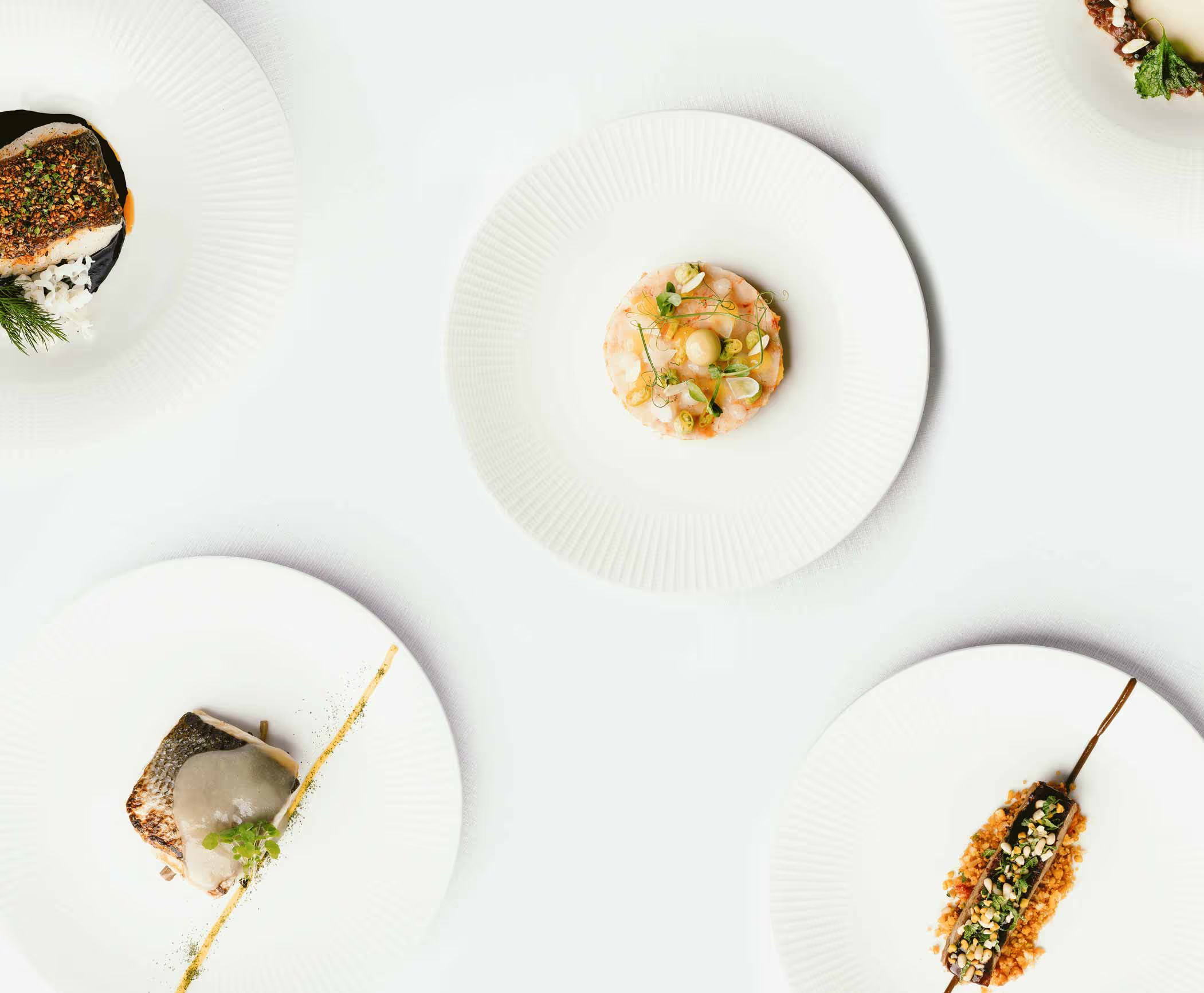
- El Tisch is a moment of celebration, full of energy, before the ceremony begins. Custom dictates that the couple should not see each other until the ceremony itself, so two separate receptions are held. The Tisch is the groom's reception, and it is now common to find other options among couples, such as welcoming guests as they arrive, although it all comes down to your personal preference. The word "Tisch" significa literalmente mesa, and it is customary to find a table laden with food and drink for guests to enjoy around it before the ceremony.
- El Badeken, the moment the veil is lowered, is one of the most moving and eagerly awaited traditions, when the couple meet each other's gaze for the first time. As a rule, only family, close friends and the odd privileged guest take part in this encounter, but more and more couples are sharing that moment with all their guests. A perfect occasion to capture on camera and remember for ever.
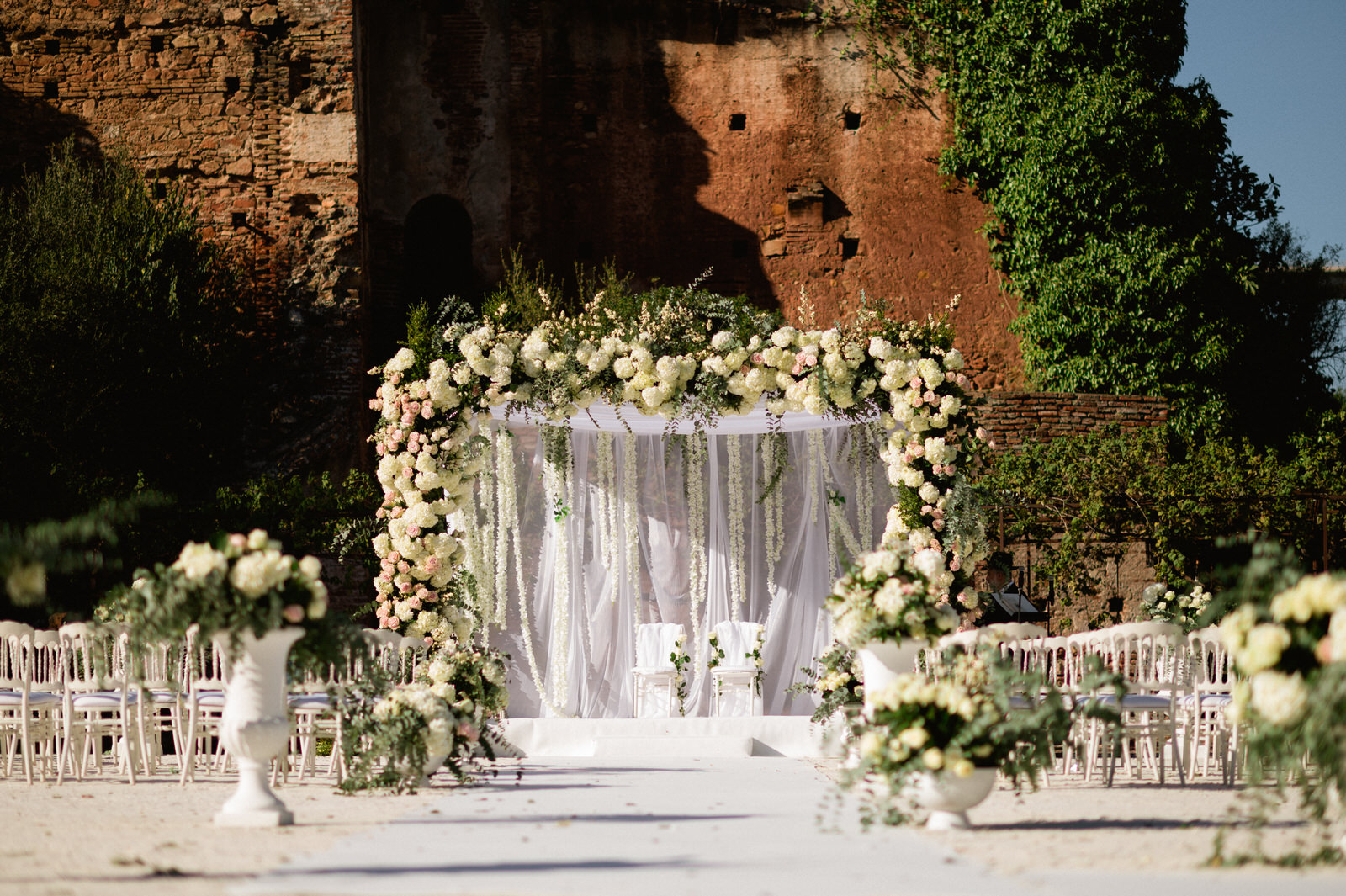
- La palabra Chuppah is generally used in two different ways. First, it names the canopy under which the Jewish couple are married. And second, it is used colloquially to name the ceremony itself. Under the chuppah the newlyweds begin their new life together, so it can become a real statement of style, with countless decorative possibilities for personalising it.
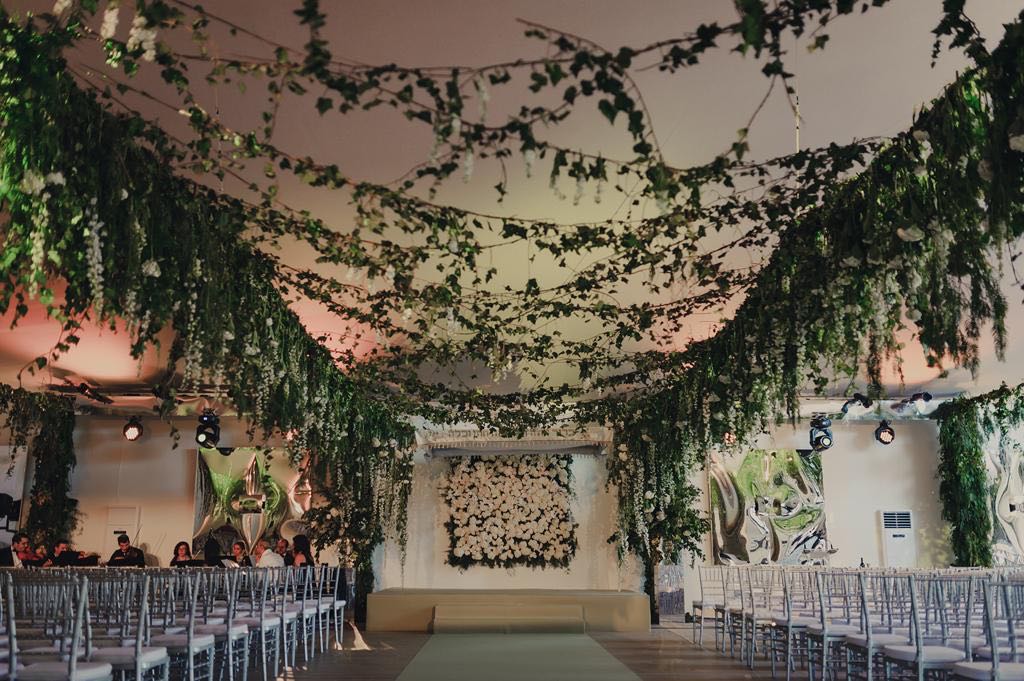
- A key part of the ceremony is The Seven Blessings, known in Hebrew as the Sheva Berajot. It takes place right after the ring is given to the bride and both partners have been consecrated in marriage. These are seven blessings that the Rabbi, and/or the couple's family and friends, recite to bless their union. A deeply emotional moment for the new couple starting out. It is also the last public act of the marriage before the breaking of the glass.
- Jewish weddings always end with a famous and explosive tradition, one of their best-known features: Romper el vaso. A tradition that symbolises the destruction of the Temple of Jerusalem and reminds the couple that, even while living happy moments, marriage also brings difficult times they must overcome together. The glass is usually wrapped in a cloth or napkin, and once it is broken the celebration begins. With it comes the moment to shout out loud Mazal Tov!
- A few minutes before the great celebration, the moment arrives for the Yichud: An exclusive moment for the newlyweds. The two of them withdraw to a private room and spend the first minutes of their married life alone.
- And then came the great celebration. It would not be a proper Jewish wedding without an abundance of music, dancing and food. This is where the classic, characteristic dance takes place, with the bride and groom lifted into the air on chairs. A tradition that comes from carrying kings in the very same way.
We have shown you 8 traditions, but every wedding is as unique as your marriage. These are your rules, and at Life Gourmet Catering we are by your side on that big day, respecting the traditions, personalising every detail and, above all, preparing and observing all the precepts of Kashrut so that your wedding is perfect.